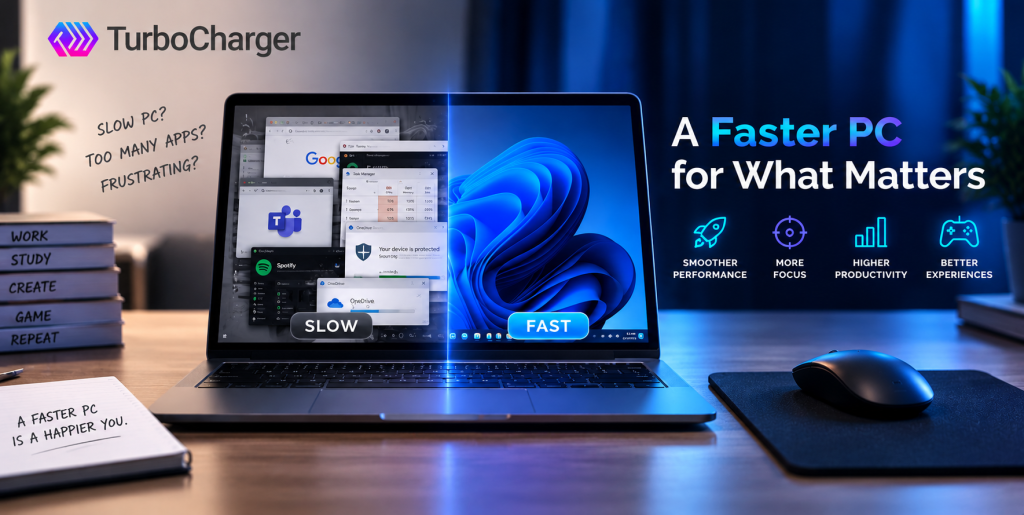


There is no need to feel isolated if your desktop or laptop has begun to freeze, lag, or be slow to open even the most basic of applications. Many users often ask, “How can I speed up my computer without spending money on new parts or a replacement device?”
Fortunately, the answer is usually not a hardware problem but something as mundane as software bloat, poor maintenance, or too much going on in the background.
With a few simple adjustments that anyone can make, you will find you can put an end to those performance woes and have a system that is stable and responsive again.
This guide outlines ways to do so while following current best practices for your system’s health. So, whether you are working, studying, or just watching something for fun, these tips should reduce the frustration of delays and give your device a bit of a revival.
Understanding Why Your System Slows Down
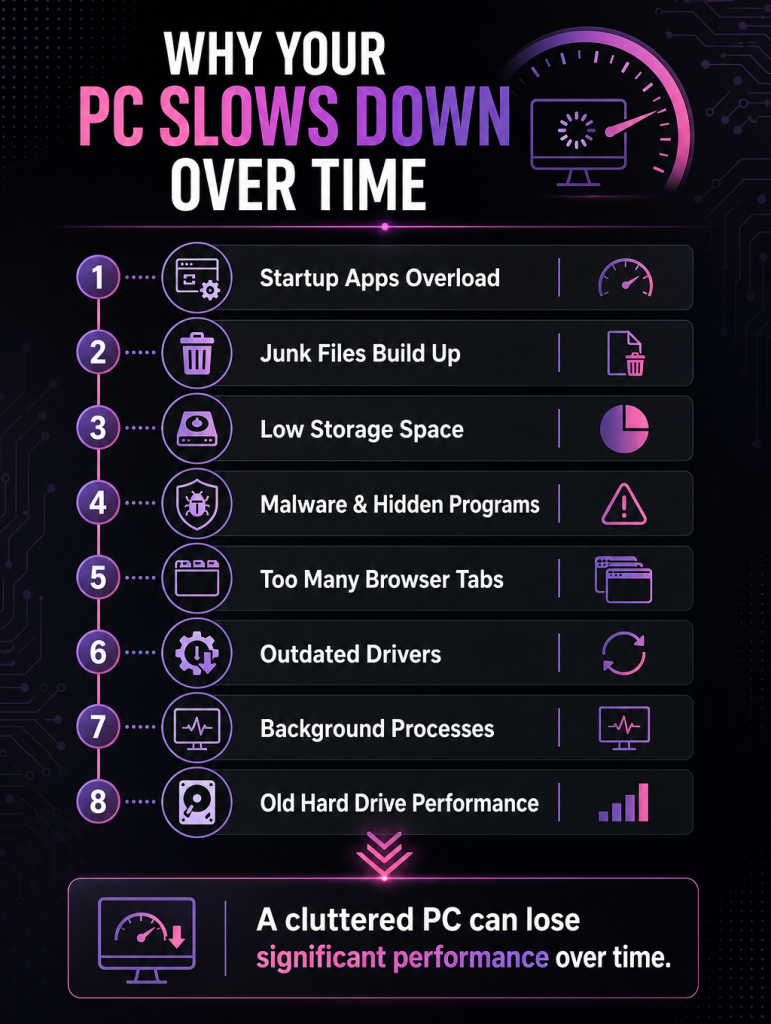
You can’t implement a fix until you know what is causing the slowdown. In most cases a system won’t just get slow from one day to the next; it is a gradual decline in performance.
Things like an overabundance of startup items, a browser with too many tabs, or simply software you don’t use will be eating up your memory and processor without you realizing it. Then there are old updates and temp files that cut into efficiency.
So, when someone puts the question to me of how to speed up my computer, we start by pointing out the resource hogs they aren’t seeing. You have background processes running unannounced, like chat programs, cloud sync, and updaters, and before long they have sapped the CPU and RAM so the whole machine is sluggish.
Our advice is to make it a habit to fire up the task manager or system monitor and see for yourself where the resources are going. This method quickly reveals surprises and helps identify what needs optimization.
Ways to Make Your PC Work Fast
- Disable Unnecessary Startup Programs
Want to put the brakes on a long boot time? The quickest fix is to rein in what is allowed to run when you power up. You would be surprised how many applications will quietly add themselves to your startup routine, and they are only going to hamper your system’s early performance.
If you’re asking how to speed up your computer, this is where to start. Go ahead and turn off any app that isn’t strictly necessary for launch, like media players or update managers; save your essential security and drivers for another day.
Managing it is simple: head over to the Startup tab in Task Manager if you are on Windows or the Login Items on a Mac. Do away with the excess, and you will see a marked difference in responsiveness the moment you switch it on, all in a matter of minutes.
- Clean Up Browsers and Reduce Extensions
Often, it is your web browser that is sapping the most performance. You can have an otherwise well-optimized system and still find it running slow if you are in the habit of hoarding open tabs, piling on extensions, or letting the cache get out of hand.
To speed up your computer, start by tending to your browser’s health. Remove any extensions you don’t need and remember to clear your cache occasionally. Don’t leave too many tabs running at once either; some of those add-ons will be churning through memory in the background whether you are using them or not.
For your day-to-day browsing, a lighter option is a good choice. It is an easy way to reclaim system resources and make things feel more responsive.
- Free Up Storage Space and Organize Files
You would be surprised how much of an impact storage has on performance. It is easy to overlook, but a hard drive or SSD that is running out of room will have trouble handling virtual memory and temporary files.
If you are looking for ways to put some speed back in your computer, start by doing away with the clutter. Uninstall apps you no longer need, get rid of old files, and put any heavy media on an external drive or in the cloud.
As a general guideline, try to keep 15% to 20% of your storage open; you will notice a significant difference.
Then there are the things that build up without you noticing: duplicates, downloads, and temp files. Make it a habit to clean those out. It makes for a system that is faster and a pleasure to work with. An orderly drive means fewer read/write hiccups and lets the operating system do its job properly.
- Check Background Apps and Security Issues
You will find that background applications are often the cause when your computer is running slow. The thing is that many programs don’t just shut down when you close them; they keep on in the background and quietly consume your CPU and memory.
If you’re wondering how to speed up your machine, check what’s running in the background and turn off anything you don’t need. You will often see cloud storage, auto-updaters, or communication apps causing these issues.
Then there is the matter of security. Unwanted software or malware will put a drag on your system for sure. A good scan with something you can trust will leave your system clean and safe, which in turn makes it more stable and quicker to use.
It is no surprise that when people notice an unexplained drop in performance and go looking for ways to speed up their computer, they usually come across these background processes as the culprit.
- Optimize System Settings for Better Performance
You will find that modern operating systems come with all sorts of visual frills and in-built features. They may look good, but they do put a strain on resources. On an older or heavily loaded machine, you can expect things like heavy UI elements, transparency, and animations to cause some drag.
The way to counter that is to tweak your performance settings so the system devotes its power to what really matters. Turn off the superfluous visual effects and you will notice better responsiveness when you are juggling multiple tasks.
For those wondering how to get more speed out of their computer, system optimization is a good move; it is the best way to improve both looks and performance. Then there is the matter of maintenance: make sure to put in regular OS updates for the latest bug fixes. And don’t neglect your drivers, particularly the graphics and chipset ones, as being up to date will stave off compatibility problems and keep everything running smoothly.
Use Smart Optimization Tools Like TurboCharger
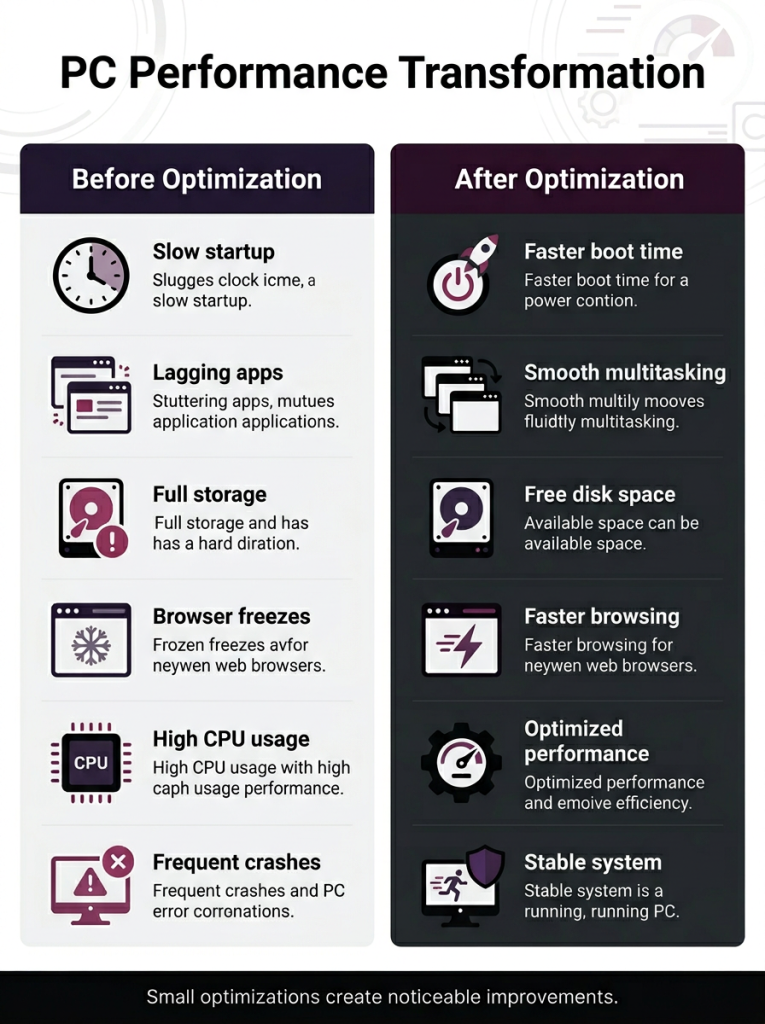
There is no denying that manual optimization has its place, but for those who want something quicker and more hands-off, an automated approach is often the way to go. Enter the Turbocharger App.
Put simply, it is built to take the technical know how out of the equation while you go about tidying up superfluous files, putting the brakes on background processes, and generally getting your system in better shape.
If you want to speed up your computer, this tool automates much of what we’ve covered. With a couple of clicks, it can spot where performance is lagging, clear away the digital clutter, and make your machine more responsive.
Then there is the matter of upkeep. Where a manual cleanup is a chore that eats up your time, software like this will keep things running in the background so you don’t have to be fiddling with the settings to get consistent results. Overall, if you are after a faster, smoother experience, you will find that pairing a good tool with some tried and true manual methods makes all the difference.
Maintenance Habits That Keep Your System Fast
You can’t just improve performance and call it a day. To keep your system running at speed you need to put in some regular maintenance. A weekly routine of clearing out files you don’t need, putting in software updates or even a simple restart will do wonders.
For those looking to answer the question of how to speed up their computer, stick with these kinds of steps and you will see a more stable machine with less of the usual lag. Be choosy about what you install and check on the programs running in the background. In the end, a little upkeep is all it takes to stave off any buildup and have your system working efficiently for the long haul.
Final Thoughts
There is nothing more aggravating than a sluggish computer, yet for the most part you need not resort to costly upgrades, as the issue is rarely permanent. With some understanding of system behavior and some straightforward optimization, you can improve things yourself. Whether you are culling startup programs and freeing up storage or reining in background processes and fine-tuning your browser, these measures will make for a much quicker, smoother ride.
So if you have been wondering how can i speed up my computer, look no further than the practical remedies we put forward in this guide.